Pleated Ceramic Cup & Saucer for Quiet Japanese Tea Style
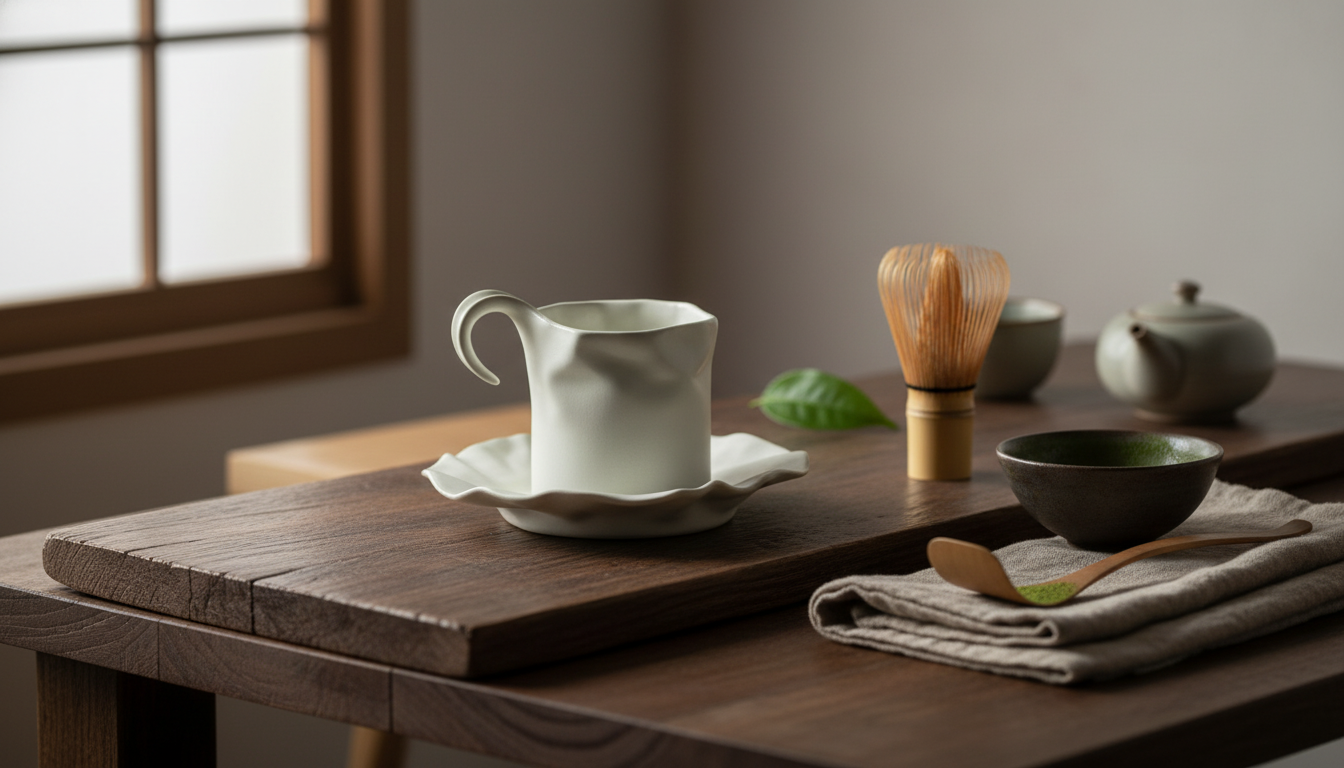
Elegant Pleated Ceramic Coffee Cup and Saucer Set – Japanese Luxury Tea Style
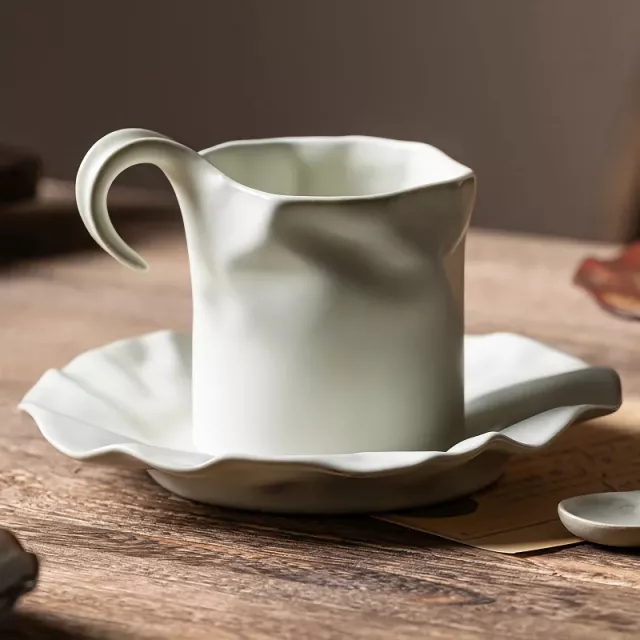
A pleated ceramic cup and saucer brings a quiet sense of ceremony to everyday coffee and tea. The sculpted ridges add texture and grip, while the matching saucer keeps the setting tidy and elevates simple moments—whether serving guests, setting up a breakfast tray, or building a curated shelf display. With a Japanese-inspired tea style aesthetic, the look leans calm and intentional: structured lines, balanced proportions, and a finish that feels considered rather than fussy. For more guidance, see A sip of elegance in every style! Discover our wide range … – Instagram.
What Makes the Pleated Design Stand Out
Pleated ceramics take a simple silhouette and give it architecture. Instead of relying on bold patterns or loud color, the design uses shadow, highlight, and rhythm—details that reveal themselves as light moves across the ridges. For further reading, see Guide to Japanese Tea Sets.
- Pleated ridges create a structured silhouette that feels refined without being overly formal.
- Textured surfaces add visual depth under natural light and pair well with minimalist table settings.
- A coordinated saucer frames the cup and helps catch drips from espresso, tea, or dessert spoons.
- A Japanese-inspired tea style aesthetic suits calm, intentional serving rituals and small-batch desserts.
That “quiet luxury” effect is especially noticeable on a breakfast tray or side table: the cup reads like a design object, while still doing the practical work of holding a daily pour.
Materials and Build Details to Notice
Ceramic is loved for the way it balances weight, warmth, and presence. A well-made set should feel stable in the hand, comfortable at the lip, and secure on the saucer.
- Ceramic body offers a balanced feel in hand and a classic tabletop presence.
- Look for an even glaze finish with consistent color and smooth contact surfaces on the rim.
- A stable base and well-fitted saucer reduce wobble on hard surfaces like stone or glass tables.
- Pleated textures can show glaze highlights; small variations are common with ceramic finishing.
- If sensitive to metals or decorative finishes, confirm whether any metallic accents are present before purchase.
If safety and materials are top priorities, it’s also reasonable to look for maker guidance on food-safe glazes and compliance. For general background on lead in ceramic ware and foodware, consult sources like the CDC guidance on lead in ceramic ware and the FDA overview of lead in foodware.
Best Ways to Use a Cup and Saucer Set Like This
A cup and saucer set earns its keep when it supports small rituals—moments where presentation and pace matter as much as the beverage itself.
- Coffee moments: espresso, cortado-style servings, or smaller pours meant to be sipped slowly.
- Tea service: black tea, green tea, or herbal infusions with a saucer to hold a spoon or tea bag rest.
- Dessert pairing: serve alongside a small pastry, chocolate, or fruit slices on the saucer edge.
- Guest-ready setup: place on a tray with napkins and a small sugar bowl for a boutique café feel.
- Shelf styling: stack saucers and display cups to add texture among neutral ceramics.
For a deeper read on the cultural roots of intentional serving, the Encyclopaedia Britannica entry on the Japanese tea ceremony offers helpful context—especially around the idea that simple objects can be chosen to shape a calmer experience.
How to Choose the Right Pleated Cup and Saucer for Your Routine
Choosing a pleated set is less about trends and more about fit: how it feels in your hand, how it suits your drinks, and how it lives with the rest of your tableware.
Cup and Saucer Set Checklist
| Feature | What to look for | Why it matters |
|---|---|---|
| Cup size | A capacity that matches espresso, tea, or small coffee servings | Improves everyday usefulness and reduces waste from over-pouring |
| Pleated texture | Ridges that feel comfortable in hand and not overly sharp | Adds grip and style without sacrificing comfort |
| Rim finish | Smooth edge with consistent glaze | Better sipping feel and easier cleaning |
| Saucer fit | Cup sits centered with minimal sliding | Safer carrying and a more polished presentation |
| Weight and balance | Stable base and a comfortable lift | Reduces tipping and feels more premium in use |
| Care needs | Clear guidance on heat and cleaning compatibility | Helps preserve glaze, color, and surface finish |
- Size and capacity: decide whether the set is mainly for espresso-sized pours, tea servings, or everyday coffee.
- Handle comfort: check for enough finger clearance, especially if the cup shape is compact.
- Rim profile: a smooth, rounded rim tends to feel better for tea and slower sipping.
- Saucer shape: choose a saucer with a defined cup well so the cup seats securely when carried.
- Texture vs. cleaning: deeper pleats look striking but may require slightly more attention when washing.
- Table coordination: match undertones (warm ivory vs. cool white) with existing plates, linens, and wood tones.
Care, Cleaning, and Everyday Handling
Pairing Ideas for a Japanese-Inspired Table Setting
FAQ
Is a pleated ceramic cup comfortable to hold?
It can be very comfortable because the ridges add grip and reduce slipping, especially with warm drinks. Comfort depends on how deep the pleats are, how compact the cup feels, and whether the handle offers enough finger clearance.
Can this type of cup and saucer be used for both coffee and tea?
Yes—this style works well for both coffee and tea, especially for smaller, slower sips. Choosing a capacity and rim shape that match your usual drinks will make it feel more natural day to day.
How can ceramic cups be cleaned to reduce staining from coffee or tea?
Rinse soon after use, wash with mild dish soap, and use a non-abrasive sponge to protect the glaze. For lingering stains, a short soak in warm soapy water typically helps, and it’s best to follow any maker guidance for dishwasher use or decorative finishes.








Leave a comment