Global Travel Etiquette: Greetings, Dining, and Respect
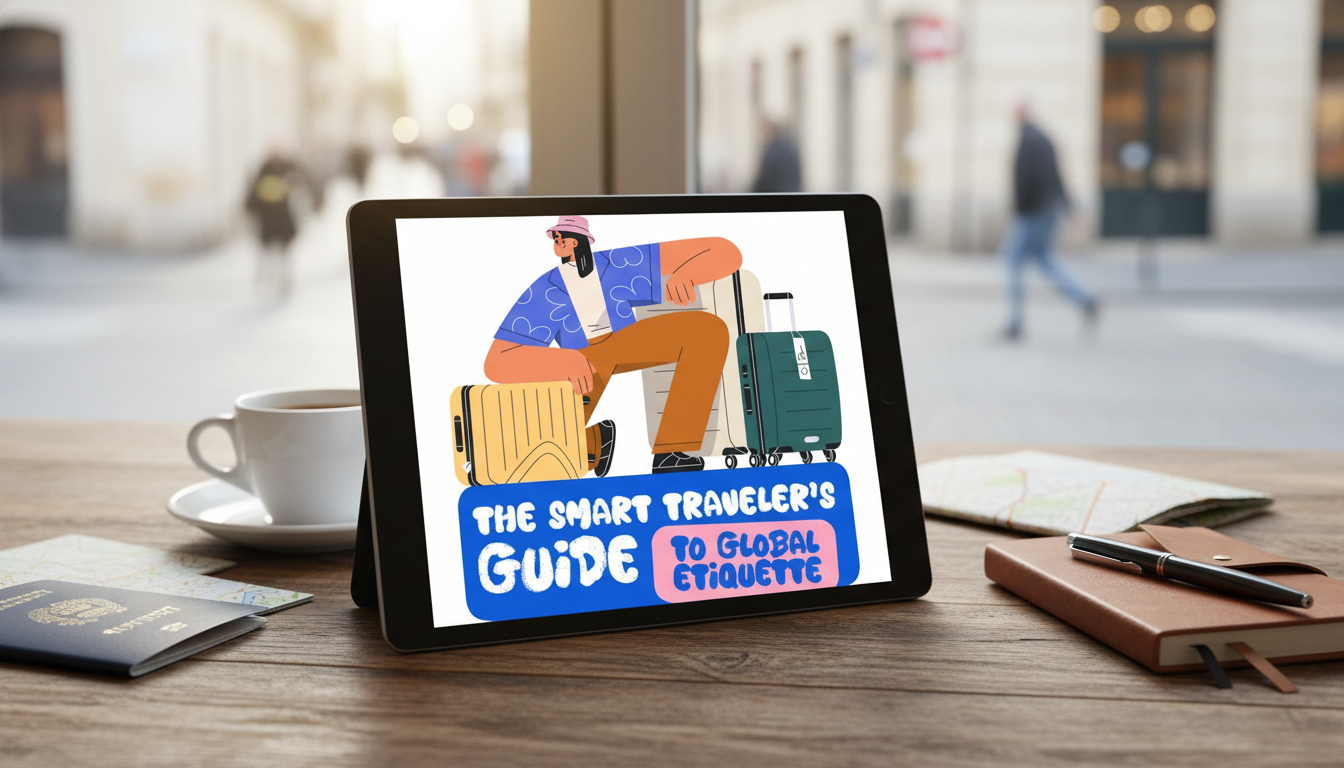
Smooth, Confident Travel Starts with Small Signals
Smooth trips often come down to small signals: greetings, personal space, dining habits, and how to show respect. A practical etiquette mindset helps avoid awkward moments, build goodwill, and navigate unfamiliar norms with calm confidence—whether traveling for leisure, work, study, or visiting family abroad. The goal isn’t perfection; it’s showing care in ways locals recognize.
Why Etiquette Matters More Than Perfect Language
Courtesy is a universal icebreaker. When communication is limited, respectful behavior often earns patience, extra help, and warmer service. Many “rules” are really values in action—saving face, showing humility, honoring elders, or protecting privacy—so a small choice (like lowering your voice or greeting properly) can communicate respect more clearly than a flawless sentence.
Etiquette also helps prevent misreads. A casual gesture, overly familiar humor, or too-direct feedback can land as dismissive even when intentions are good. On the other hand, a modest outfit, a quiet tone in shared spaces, and a thoughtful greeting can open doors—invites, recommendations, and genuine connection.
Fast-Start Checklist: The First 30 Minutes in a New Country
Use arrival time to gather clues before you “perform” your usual habits. This reduces missteps when you’re tired, distracted, or rushing.
- Observe before acting: Notice volume level, queue behavior, and whether people greet strangers or keep distance.
- Default to formality: Use polite titles when possible, keep body language conservative, and hold back on teasing humor until norms feel clear.
- Handle documents discreetly: Keep passports, IDs, and cash out of sight in crowded areas; avoid flashing paperwork or money.
- Ask simple questions: When unsure, try “Is it okay if I…?” or “What’s customary here?” Most people appreciate the effort.
Greetings, Gestures, and Personal Space
First impressions often hinge on greeting style and distance. Handshakes vary in firmness, duration, and frequency; some places prefer a nod, bow, or verbal greeting with minimal touch. If someone offers a handshake, match their pressure and timing rather than trying to “prove” confidence.
Touch norms differ dramatically. A friendly hug, shoulder tap, or cheek kiss may be normal among friends in one region and inappropriate in another—especially across genders or generations. When in doubt, keep your hands to yourself and let locals initiate.
Gestures are another common tripwire. Pointing, beckoning with one finger, thumbs-up, and the “OK” sign can be rude in certain cultures. If you need to indicate direction, an open hand is often safer than a finger point. Eye contact and smiling also vary: in some contexts they signal friendliness; in others they can read as overfamiliar or challenging. A reliable approach is to mirror the local baseline—notice how strangers interact with cashiers, drivers, or hotel staff, then dial your behavior to match.
Dining Etiquette and Host–Guest Expectations
Meals can be the highlight of a trip—and also the easiest place to accidentally offend. Table manners differ: utensil use, how to hold chopsticks, whether hands are acceptable, and whether it’s polite to finish everything or leave a small amount. Watch what others do before reaching in or starting.
Seating and serving order may carry meaning. Elders, guests of honor, or the host might sit in specific places and begin eating first. If you’re being hosted, wait for cues: a gesture to start, a toast, or the host taking the first bite. Complimenting the meal is usually appreciated; critiquing or comparing it to home generally isn’t.
Tipping norms also vary widely. In some places it’s expected; in others service is included or tipping may be discouraged. Before your trip, confirm the standard for restaurants, taxis, and hotels, and keep small bills handy where tipping is customary.
Public Behavior: Lines, Volume, Photos, and Phones
Quick Reference: Common Etiquette Expectations by Situation
| Situation | Often appreciated | Common pitfalls |
|---|---|---|
| Meeting someone new | Polite greeting, using titles, brief small talk | Overfamiliarity, strong opinions early on, casual first-name use |
| Dining with locals | Waiting for host cues, trying a little of what’s offered, complimenting the meal | Starting before others, criticizing food, insisting on splitting the bill when it’s not the norm |
| Markets and shopping | Friendly greeting, patient bargaining where customary, carrying small change | Aggressive haggling, touching items without asking, blocking foot traffic |
| Religious sites | Modest clothing, quiet voice, following posted rules, asking before photos | Bare shoulders/legs where restricted, selfies during rituals, stepping into closed areas |
| Public transit | Letting others exit first, offering seats, keeping bags close | Eating on transit where discouraged, loud calls, taking priority seating |
Business Travel and Professional Etiquette Abroad
How to Choose a Global Etiquette Guide That Actually Helps
For official travel updates and local considerations, check authoritative resources before you go, such as U.S. Department of State – International Travel, UK Foreign, Commonwealth & Development Office travel advice, and CDC Travelers’ Health.
Putting Etiquette into Practice Without Overthinking
FAQ
What are the most common etiquette mistakes travelers make?
Common issues include speaking too loudly in public, using gestures that mean something rude locally, ignoring dress codes at religious sites, mishandling tipping norms, and taking photos without permission. Observing local cues and asking politely when unsure prevents most problems.
How can etiquette be respected when local rules aren’t clear?
Default to formality, mirror what respectful locals do, and use permission-based language like “Is it okay if I…?” For sensitive places such as temples, memorials, and government buildings, follow posted rules and check official guidance before visiting.
Does etiquette differ for business travel compared with vacation travel?
Yes—business settings typically have higher expectations around punctuality, titles, meeting structure, business card handling, gifting, and communication style. Preparing role-specific norms helps you avoid unintentional signals that could affect trust.








Leave a comment