Safe Space Mapping: How It Works and What to Include

What is safe space mapping and how does it work in practice?
Safe space mapping is a structured way to identify where people feel supported, respected, and able to participate without fear of harassment or retaliation. Instead of assuming a workplace, school, event venue, or online community is “safe” everywhere, it pinpoints specific locations, situations, and interactions that feel secure—and those that don’t—so practical improvements can be made.
In practice, safe space mapping usually combines input from participants with a clear set of safety indicators. Participants might note places they avoid, times when problems increase, or behaviors that make them uncomfortable. Facilitators then aggregate patterns to create a map or matrix that shows “safer” zones, “risk” zones, and the factors driving each. The output can be a literal floor plan with annotations, a digital map, or a simple chart that ranks scenarios (for example: “break room during lunch,” “parking lot after dark,” “public chat during live events”).
After the map is created, the focus shifts to action. Common next steps include adjusting staffing, lighting, signage, and camera coverage; tightening moderation practices; clarifying reporting routes; and setting expectations for conduct. A strong process also defines what happens after a report—who receives it, how quickly they respond, and how the person reporting is protected and updated. Because environments change, safe space mapping is most effective when revisited on a schedule or after major incidents, policy changes, or layout changes.
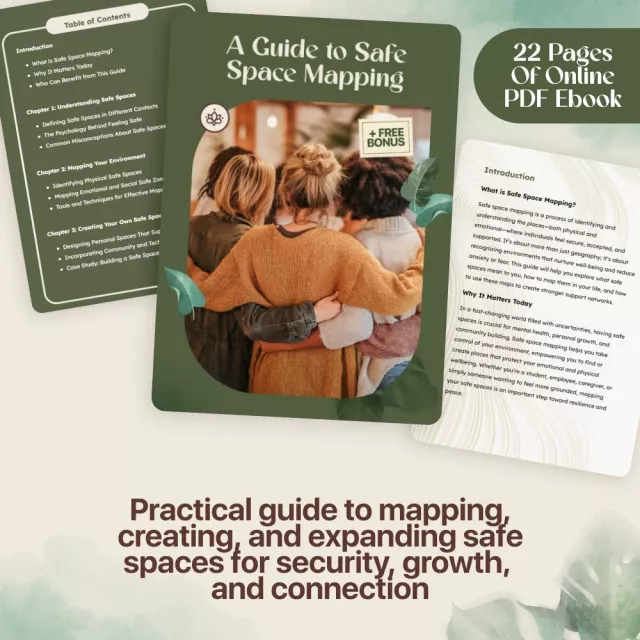
Used well, safe space mapping helps translate lived experience into concrete operational decisions. It can also build trust by showing that feedback leads to visible changes. For a deeper walkthrough and examples, see the full guide here: https://vividgoodschamber.shop/what-is-safe-space-mapping-and-how-does-it-work-in-practice/.
FAQ
What should be included in a safe space map?
Include locations or channels, time-based patterns, recurring behaviors that impact safety, and the resources available (staff presence, reporting options, exits, lighting, moderation tools). Add notes on why an area feels safer or riskier so fixes target real causes.










Leave a comment